Engine Rebuild Progress and New Wheels
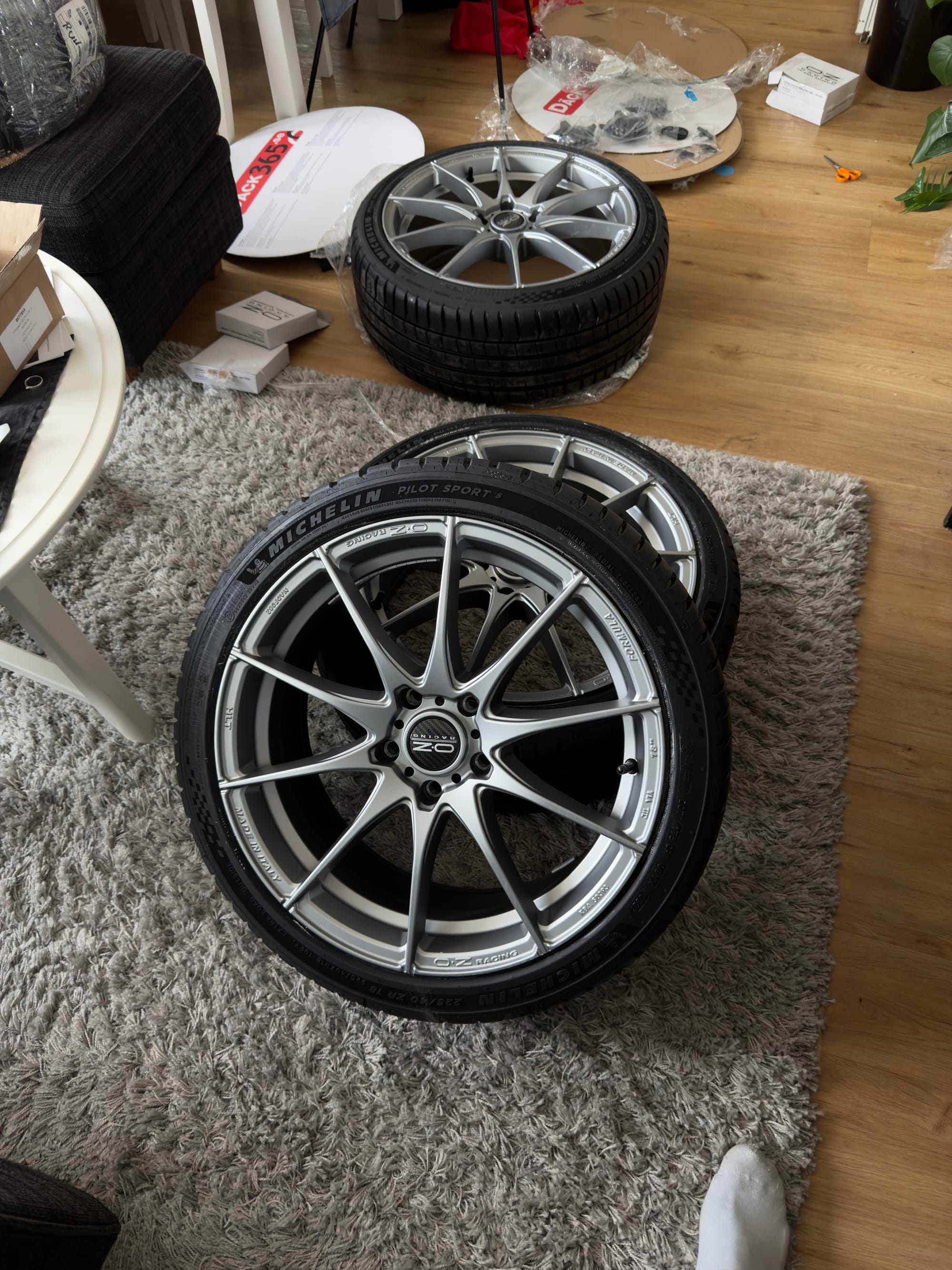
The timing tools finally arrived, the top end is apart, and progress on the rebuild is finally moving again. As a bonus, a fresh set of OZ Formula HLT wheels wrapped in Michelin Pilot Sport 5 tyres just showed up at the door

Last time, we were mostly stuck waiting.
The timing tools had still not arrived, and progress on the engine was moving at the speed of international shipping updates. Eventually, though, the tools did show up, and we were finally able to get on with one of the jobs I had been dreading the most: removing the cam adjuster bolt that holds the timing assembly together.
Thankfully, that part went far better than expected.
I'd seen what felt like a hundred videos and forum posts where that bolt either stripped, snapped, or turned into a complete nightmare that had to be drilled out. Somehow, ours came out in one piece. No stripped head, no snapped bolt, no disaster. For once, something actually went our way.
That said, the timing tools themselves turned out to be a mess.
The set I ordered was anything but premium, despite costing me around 150 euros by the time it landed here. The quality was terrible. Before we had even put much force on it, the tool snapped in half. Like a lot of cheap tools, it was held together with weak hardware, and those bolts gave up almost immediately.
So instead of using the shiny new tool I had paid too much money for, we ended up welding it together just to make it usable. Somehow, after that, it was just strong enough to do the job.
Needless to say, I would not recommend buying from STR Performance based on this experience. The whole thing felt sketchy from start to finish. The tool arrived in an Amazon box, inside an Autodoc box, and then shipped on to me, which did not exactly inspire confidence. Combined with how poor the quality was, it really felt like a cheap tool had been bought elsewhere and resold at a much higher price.
After my earlier injector trouble, I should probably have known better than to gamble on a seller I didn't fully trust. Lesson learned, once again. I'd much rather wait for stock at a reputable shop than deal with this sort of nonsense again.
With the timing side finally dealt with, we could keep tearing the engine down and start figuring out what might actually have caused the oil consumption.
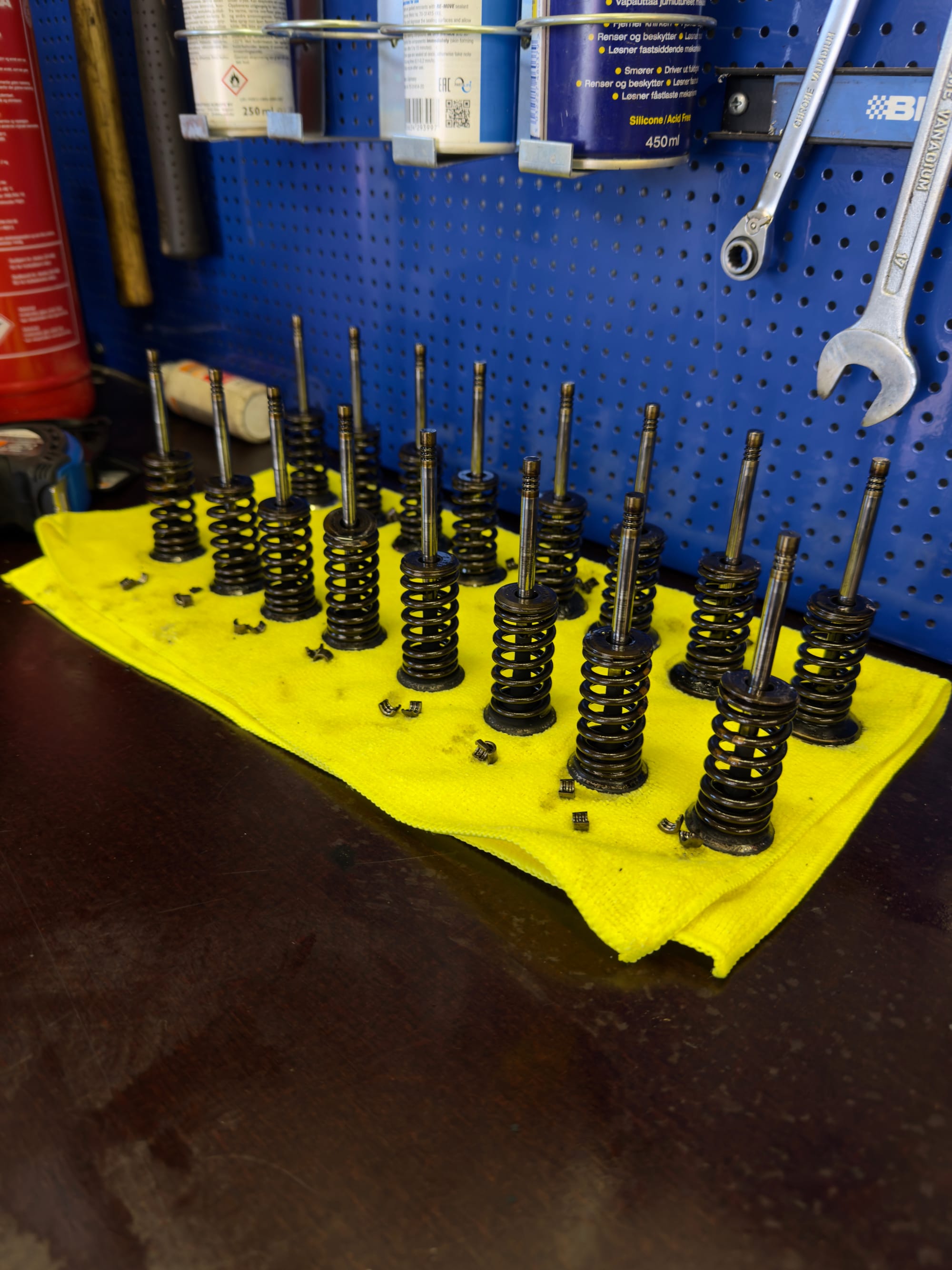
The top end is now apart, and that immediately gave us a much clearer view of what we're working with. The first thing that stood out was just how much carbon had built up on the valves. They're absolutely caked in it. The tops of the valves are heavily covered, and while the engine was no longer using excessive fuel once I switched to proper OEM injectors, the amount of carbon in there is still pretty wild.
Whether that buildup was causing any meaningful issue on its own is hard to say, but it definitely has to be cleaned before the head goes back together.
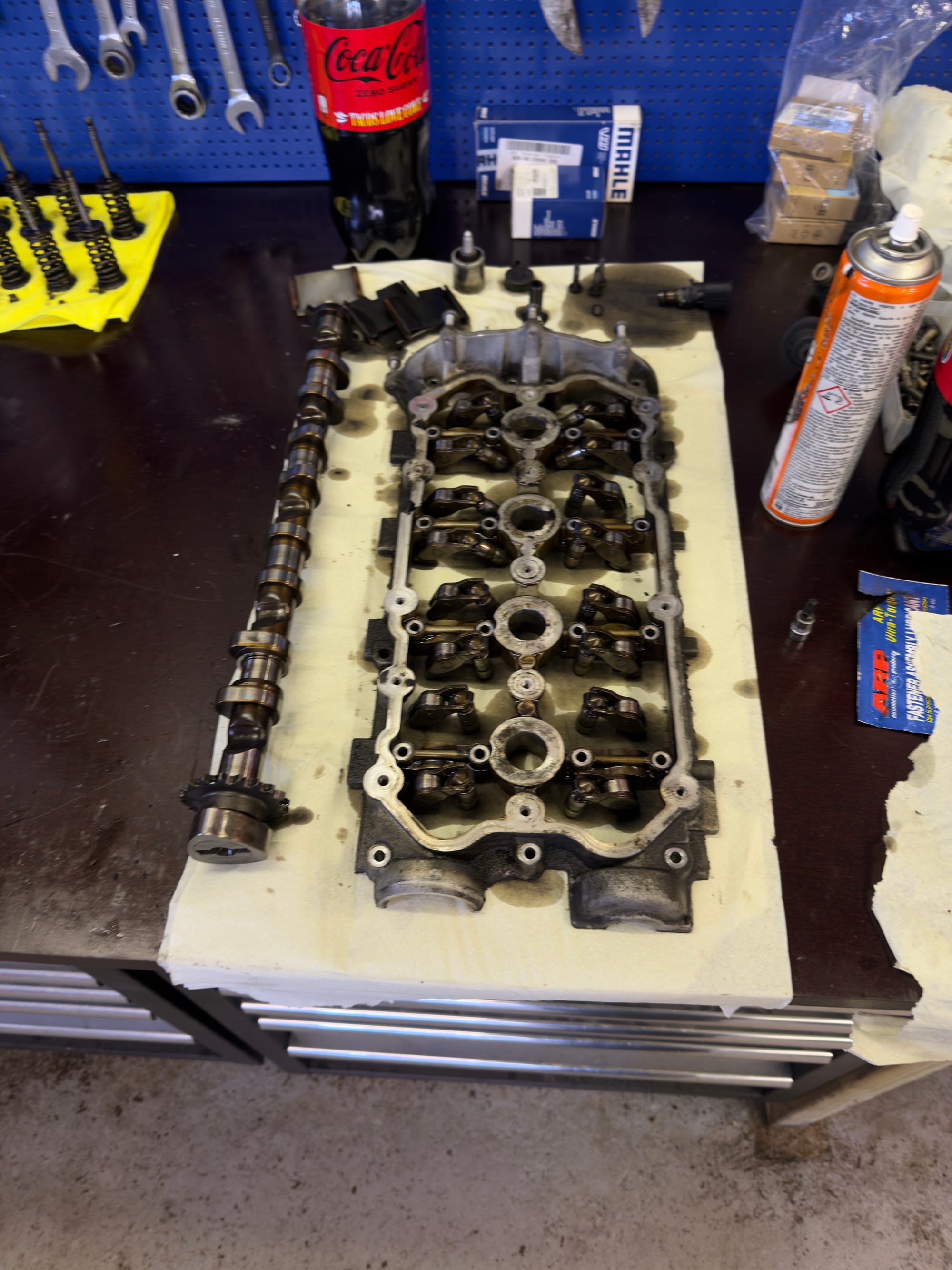
We also checked the hydraulic lifters, and they varied quite a bit. Some felt firm, others were much softer, so those will need a proper clean and a closer inspection before reinstalling anything. No point putting questionable parts back into a freshly rebuilt head if we can avoid it.
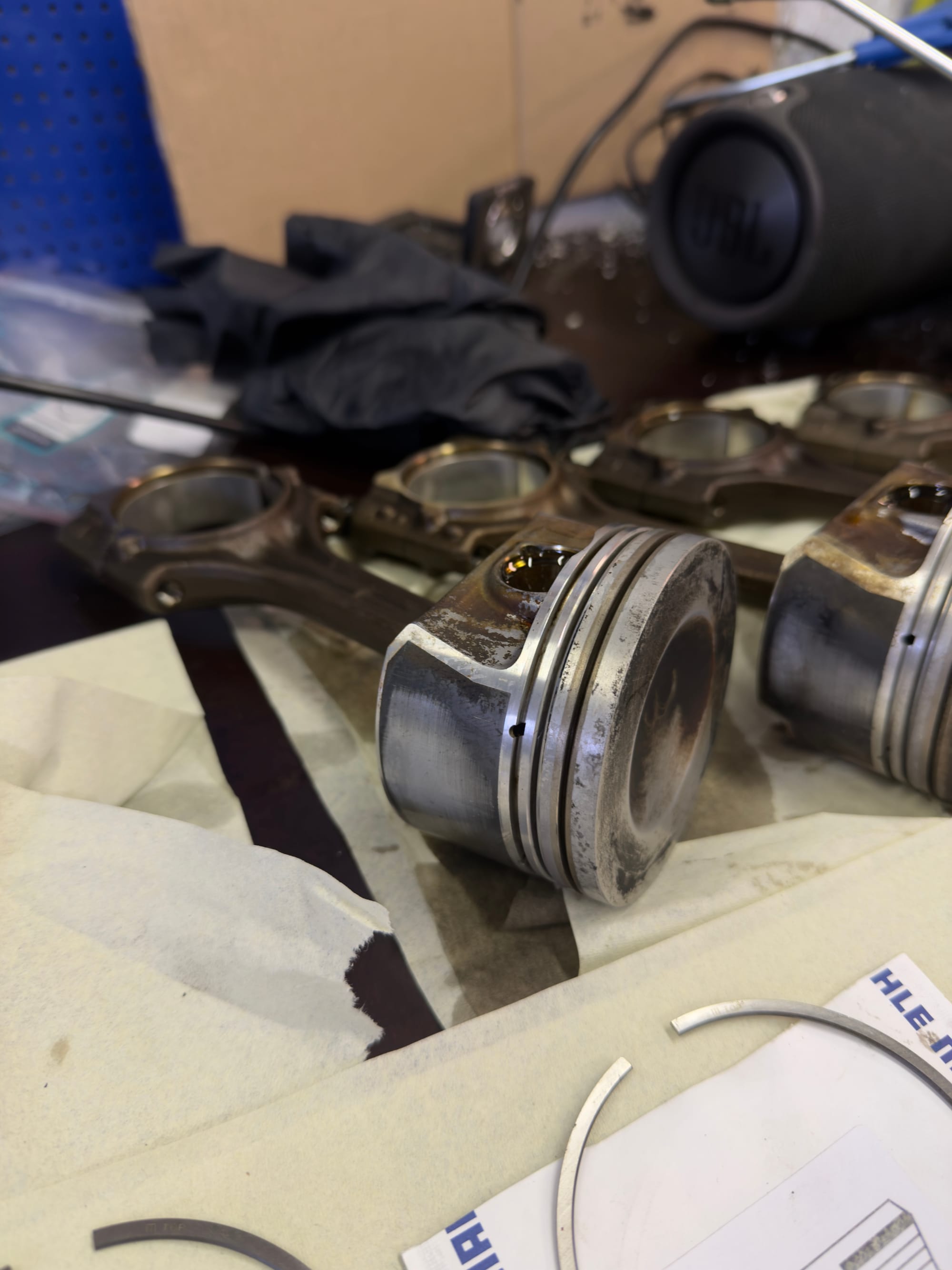
At the same time, we got the piston rings prepared and checked the end gap against spec. I bought access to Erwin so I could pull the repair manual for the Edition 35 CDLG engine, and according to that, piston ring end gap should be 0.2 to 0.4 mm, with 0.8 mm being the maximum allowed. I have no idea what the old ones measured, but given how much oil this engine burned, our main theory is still that the old rings were too far gone.
The valve stem seals, on the other hand, actually looked fairly decent. I don't think they were the main problem, but since the engine is apart anyway, they're being replaced regardless.
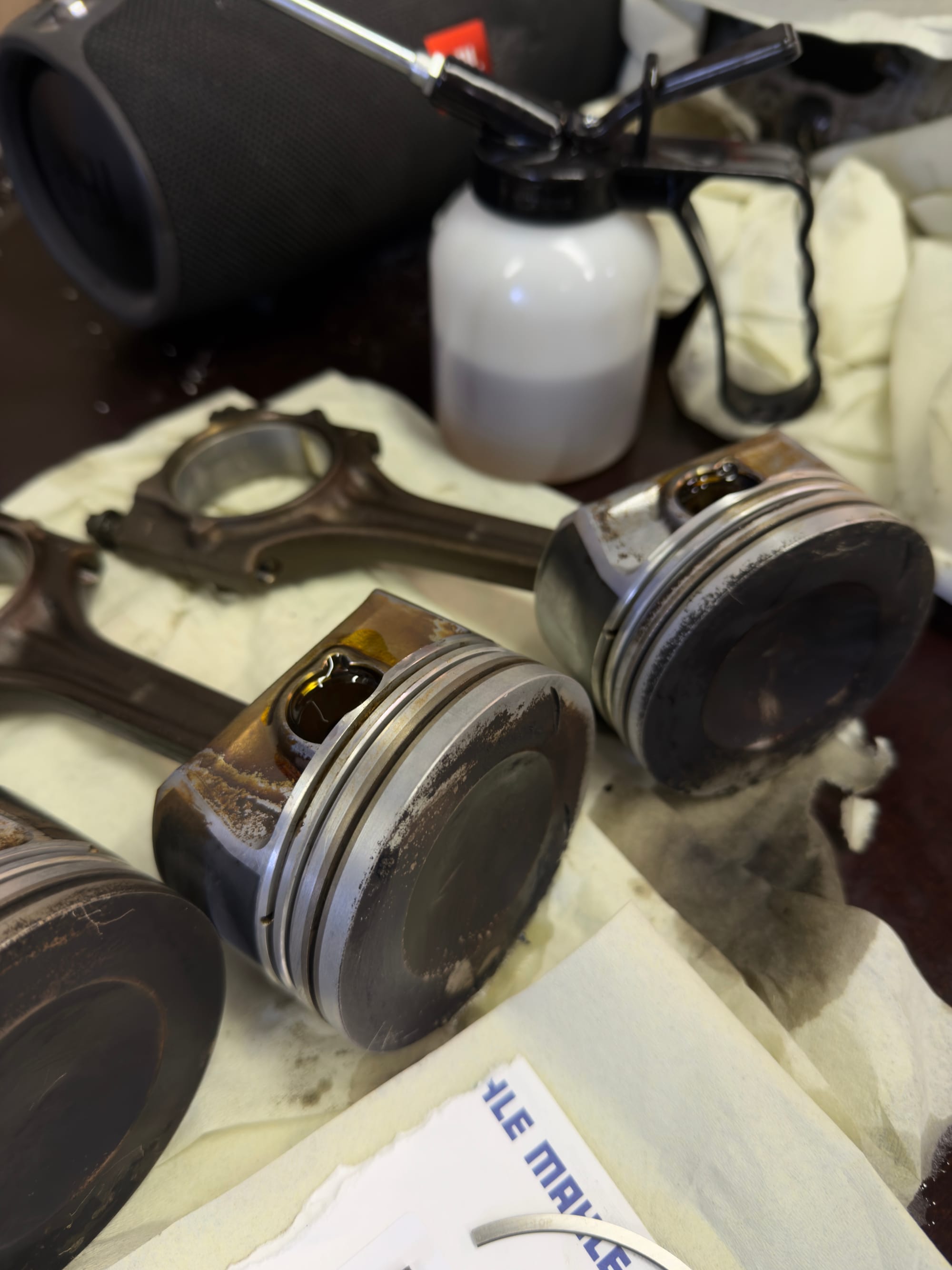
We also honed the cylinder walls, and they are now looking a lot more promising. We'll go over them one more time before final assembly just to be sure, but at this point the block is starting to look ready to go back together instead of only coming apart.
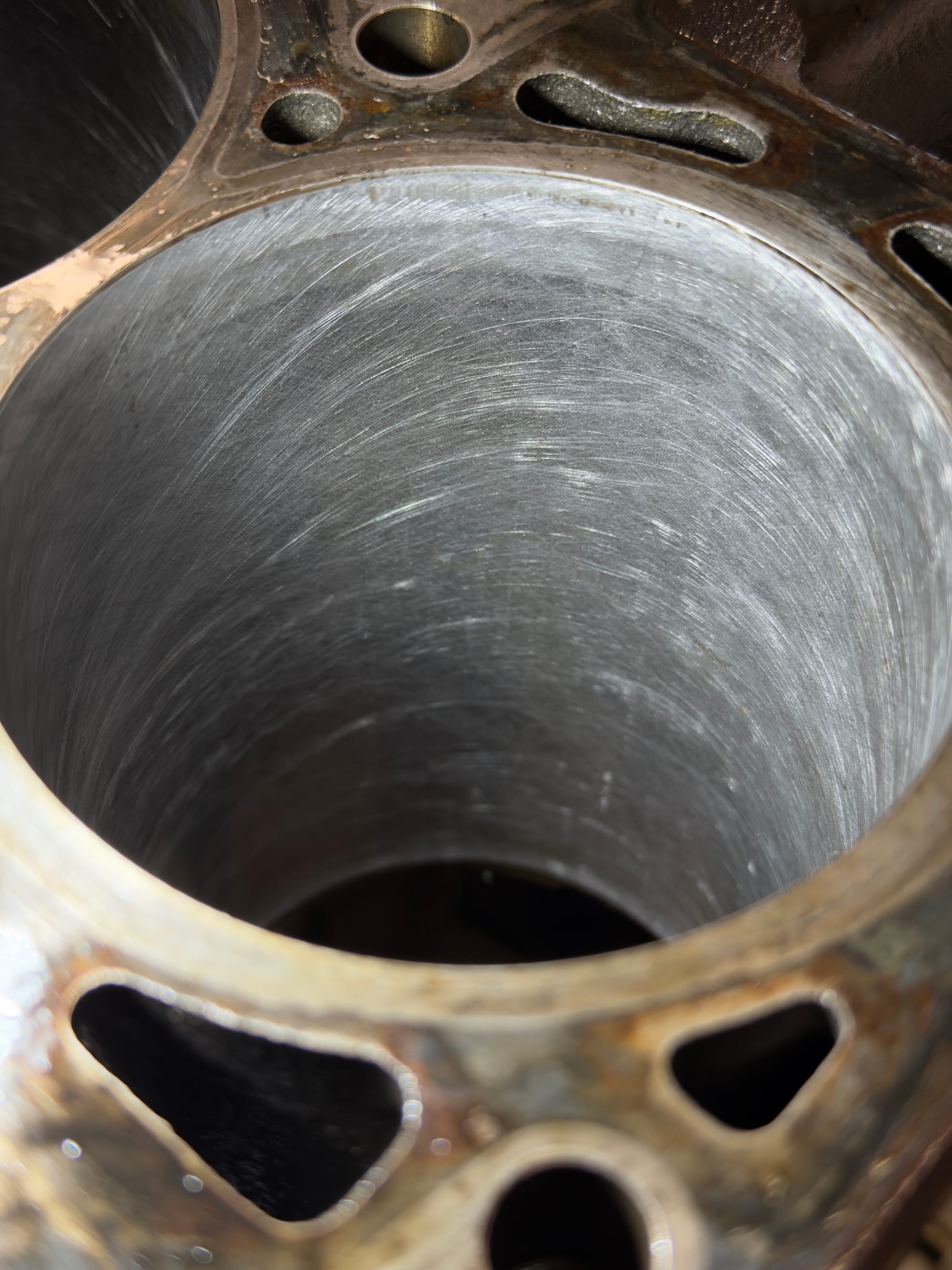
Another job that's underway now is cleaning up the head surface. I'm not really resurfacing it in the machine-shop sense - more just carefully cleaning it up and removing the old sealant and gasket material. I'm using a flat scraper and taking it very carefully, mostly because the last thing I want to do is scratch anything or make more work for myself.
I did consider sending it out, but that could easily cost me around 800 euros, and honestly, I don't see the point. The head seems fine, and this engine has already been resurfaced before, so I'd rather not remove more material unless there's a real reason to do so.
Once the sealing surfaces are sorted, the plan is to clean up the intake and exhaust ports as well. They're full of carbon, so they'll need plenty of attention before reassembly. Last year we cleaned the intake valves without removing the engine, using soda blasting, but this time we're properly inside the engine and can go much further than that.
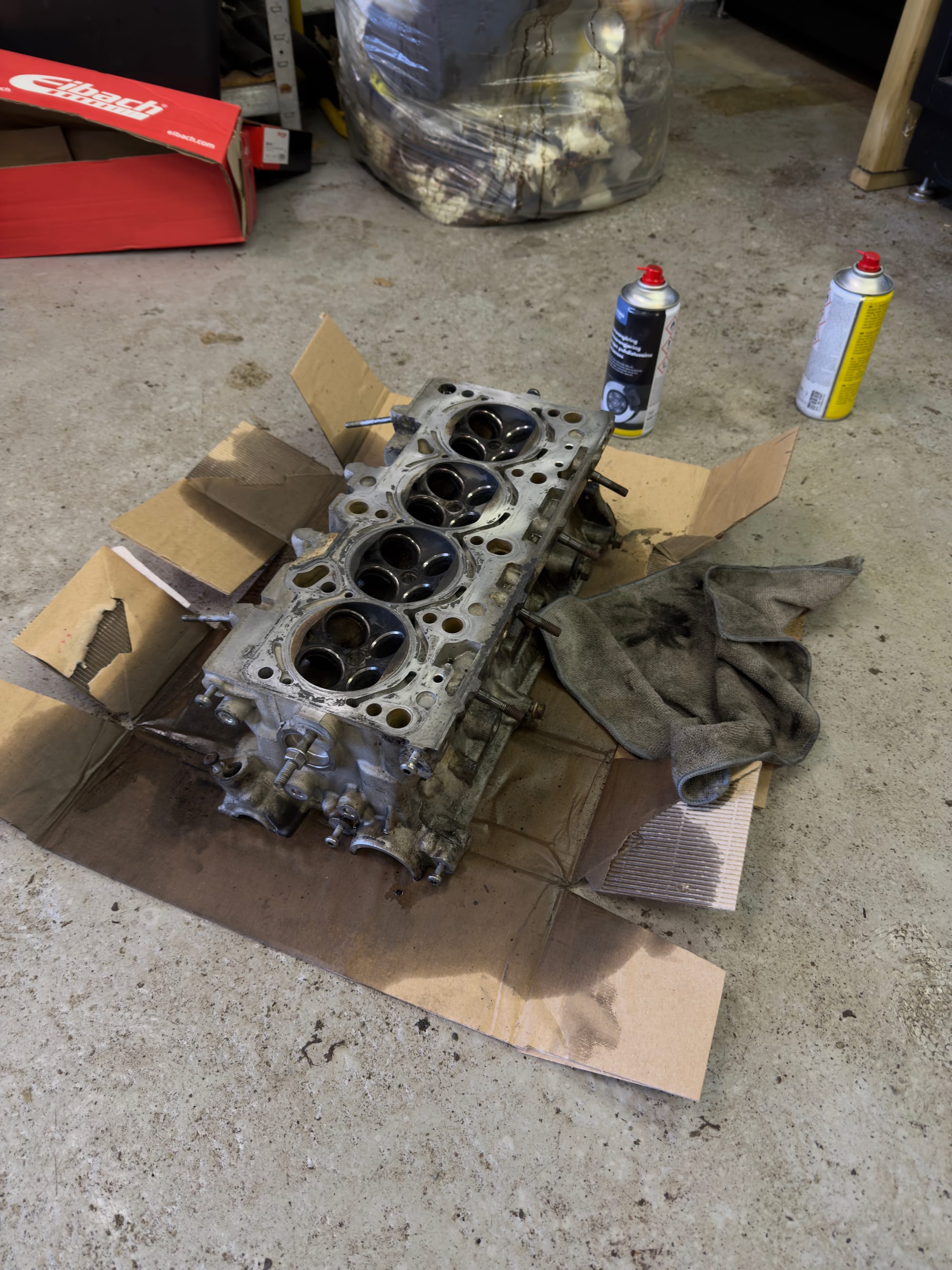
On the parts side, we're now getting close to the stage where everything needs to be checked properly before final assembly.
One thing we'll need to confirm is whether the bearings I ordered are the correct thickness. The repair manual says factory engines use specific bearing sizes depending on the colour markings on the block and crankshaft. Since this engine has around 160,000 km on it, we're not blindly following that as gospel, but I did order original bearings, so hopefully we're in the right ballpark. Either way, we'll be using Plastigage to verify clearance before anything goes together permanently.
I've also ordered a pile of stretch bolts that we didn't have earlier, so at this point a lot of the work is just preparation - cleaning, checking, measuring, and trying to avoid stupid mistakes later.
And then, completely unrelated to the engine, a much more fun package showed up at the door yesterday: new wheels.
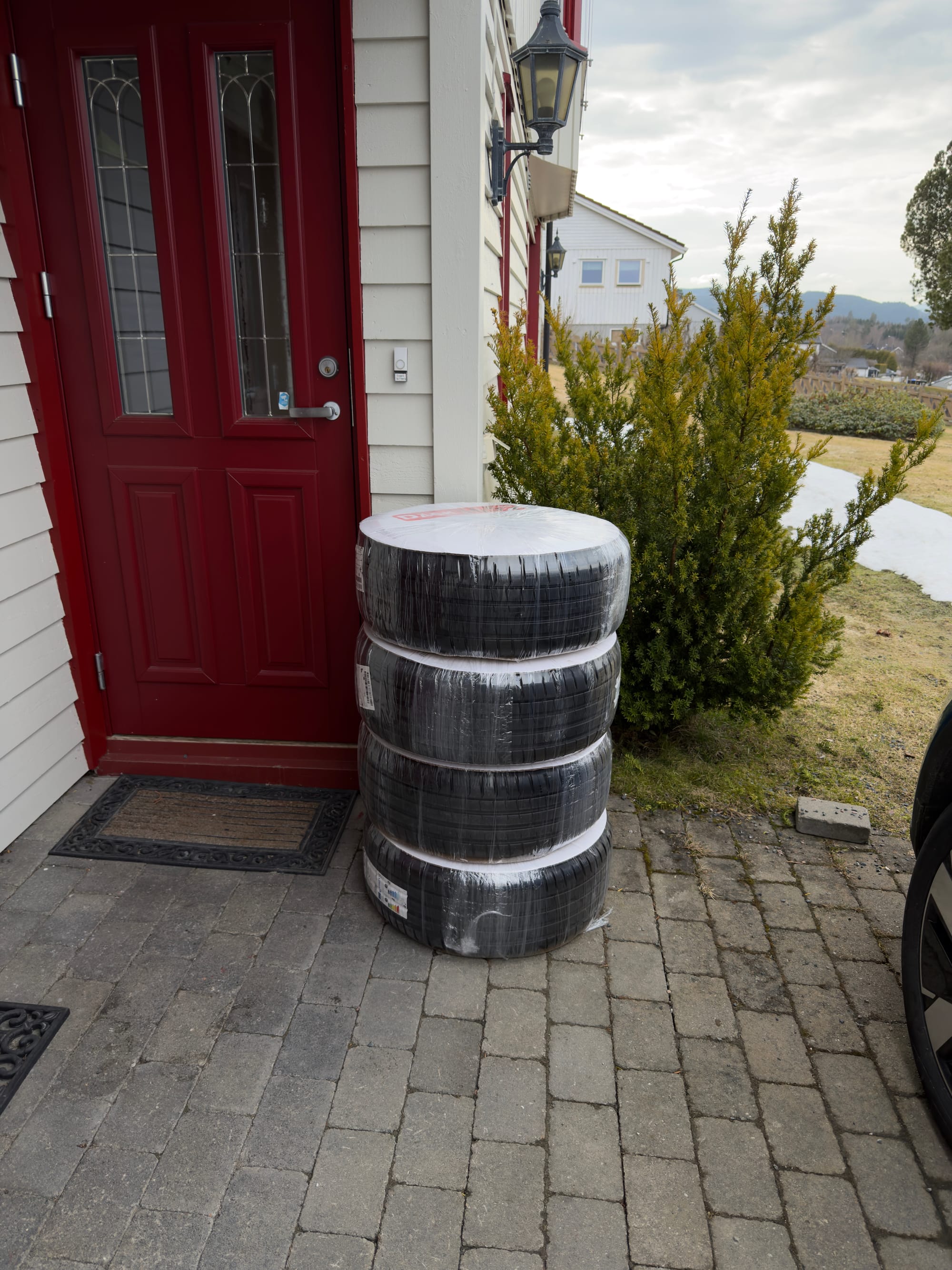
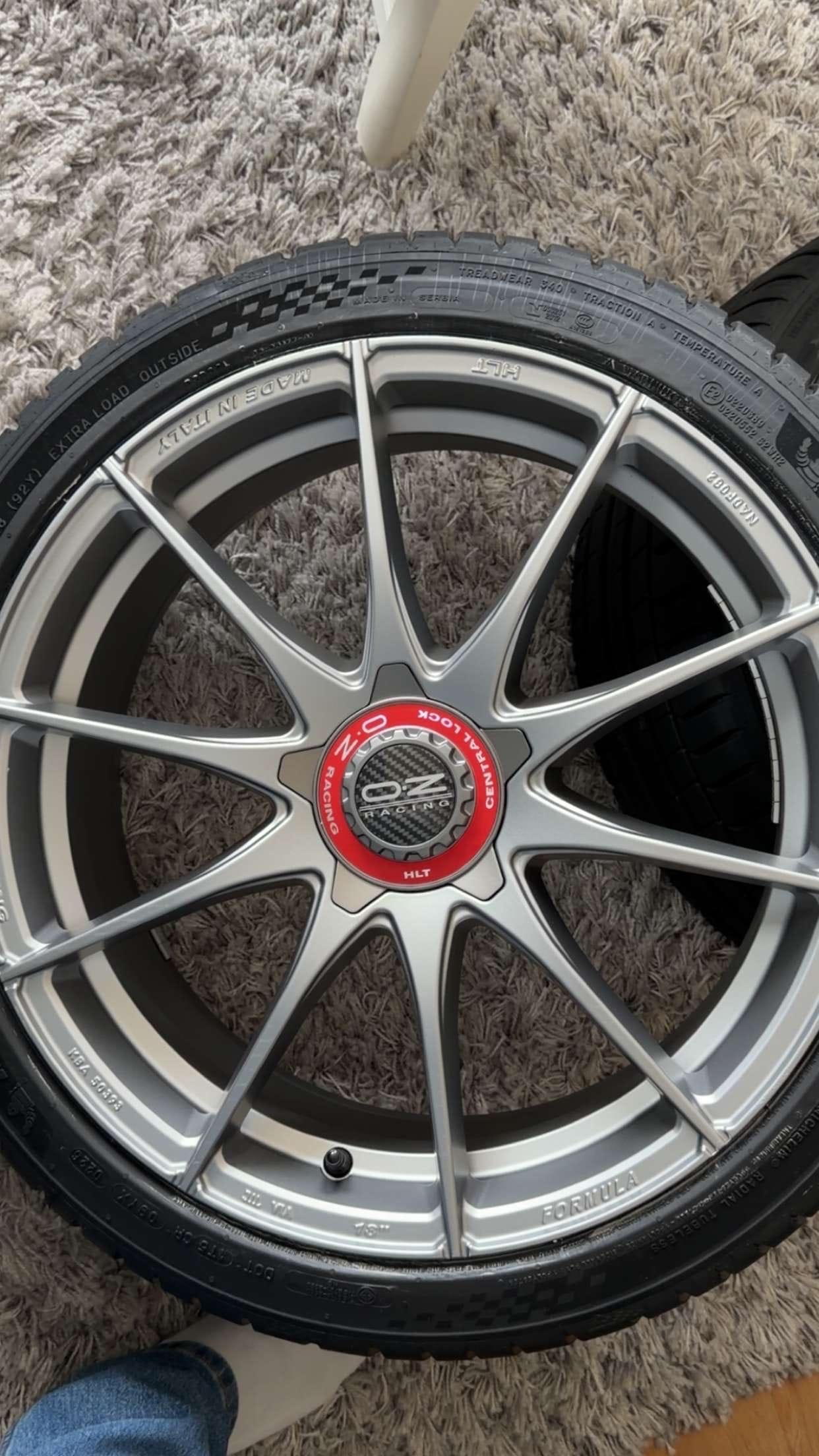
I ended up ordering a set of OZ Formula HLT wheels from dekk365.no, wrapped in Michelin Pilot Sport 5 tyres. Big shoutout to dekk365, because the price was genuinely good and the wheels arrived complete with the mounting hardware, OZ-specific lug nuts, and centre caps.
The full setup is:
OZ Formula HLT 8x18 ET48 5/112
Michelin Pilot Sport 5 225/40R18 92Y XL
I went with 18-inch wheels this time. I had 19s before, but I never really loved how they looked on the car. The thinner tyre sidewall just looked slightly off to me, and for a car I still daily, 18s make far more sense. Better proportions, a bit more compliance, and still plenty of performance.
As for the tyres, I chose the Pilot Sport 5 because I wanted something that could still perform properly while lasting longer than something more aggressive. The Pilot Sport 4S is great, but for how I use the car, I suspect it'd disappear far too quickly. This GTI still has to do daily duty, so I need a setup that feels sharp and fun without being worn out after a couple of seasons. The Pilot Sport 5 felt like the better compromise: newer, still sporty, and hopefully durable enough to last three or four years instead of becoming another expensive consumable.
I think this setup is going to suit the car really well.
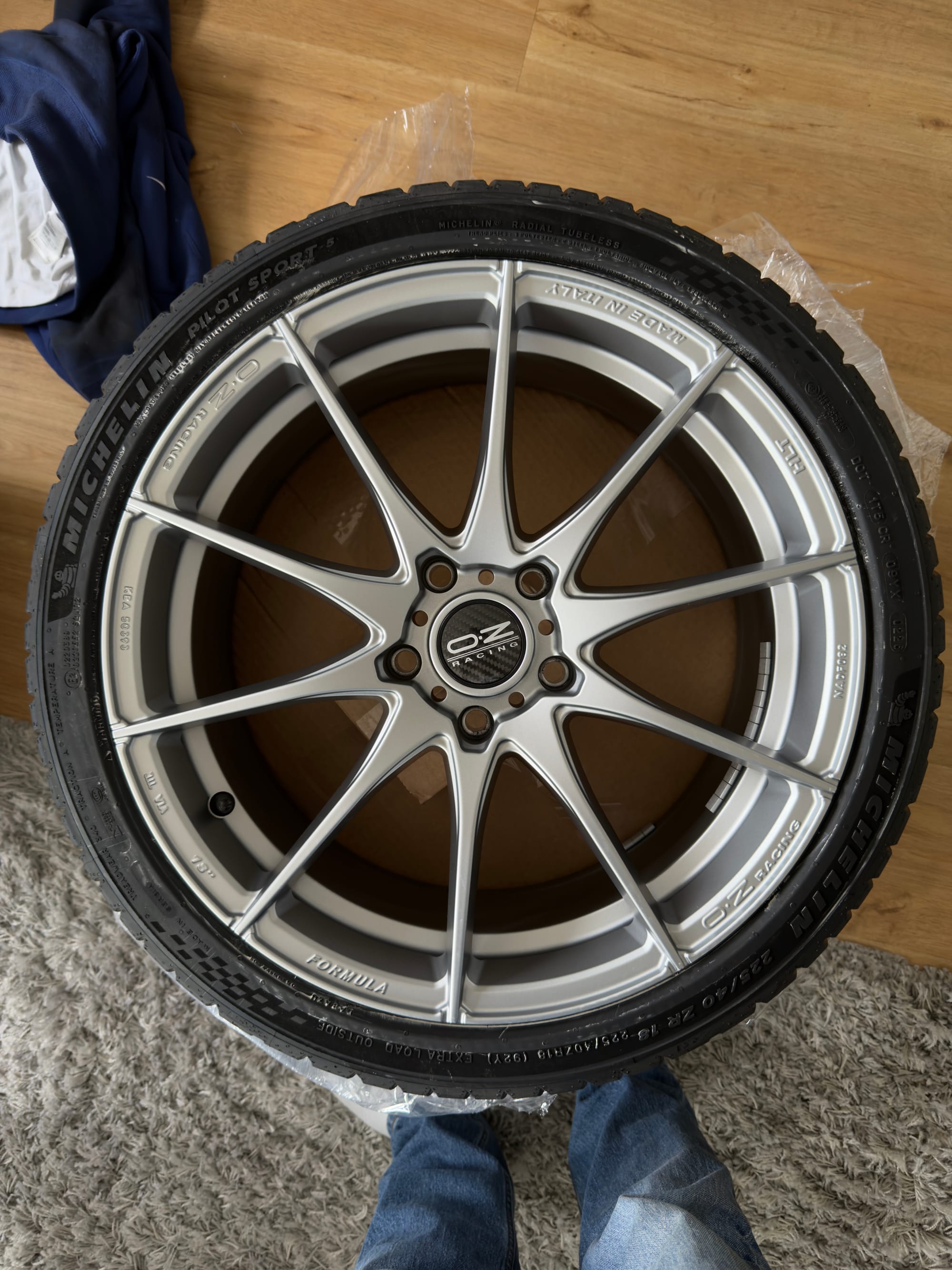
So that's where things stand right now.
The timing tools finally arrived, the cam adjuster bolt came out without drama, the top end is apart, the valves are filthy, the cylinders are honed, the piston rings are prepped, and the head is now being cleaned and readied for rebuild. In other words, we have finally moved from waiting around into actual progress again.
There's still a lot to do before this thing goes back together, but at least now it feels like we're dealing with real mechanical work instead of just delays, packages, and bad sellers.
And as a bonus, I've got a fresh set of wheels waiting for the day the GTI is back on the road where it belongs.